
How AI-Driven Process Intelligence Turns Production Data in to Profit
Your production floor is generating massive amounts of data every shift — from equipment sensors and batch records to quality checks and downtime logs. And right now, most of it goes un-analyzed. That’s not a technology problem. It’s a margin problem. Every un-optimized batch, every unplanned equipment stoppage, every reactive troubleshooting cycle is eroding profitability that manufacturers with modern data practices are already capturing.
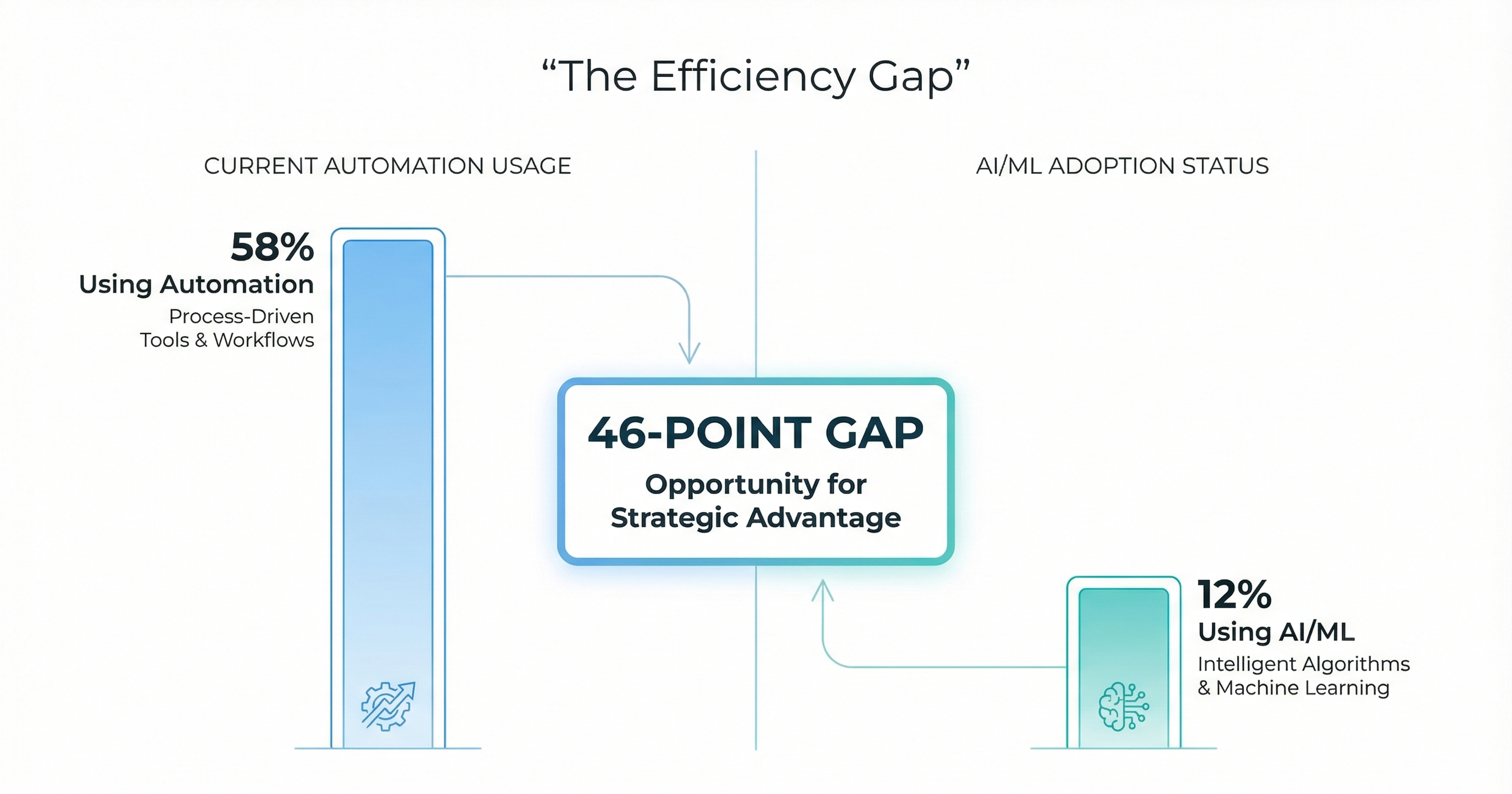
Here’s the gap: according to a Petfood Industry survey, 58% of pet food companies use automation and equipment upgrades, 27% invest in workforce development — but only 12% have adopted AI or machine learning. This represents one of the largest untapped competitive advantages in the industry right now.
The Data You’re Sitting On is Worth More Than You Think
Pet food manufacturing is a data-rich environment. Extrusion parameters, moisture levels, ingredient ratios, temperature curves, line speeds, packaging weights — every production run generates thousands of data points. The problem isn’t that manufacturers lack data. It’s that the data sits in disconnected systems, spreadsheets, and operator logs where it can’t do any real work.
Without AI connecting and analyzing that data, manufacturers are left managing production reactively: fixing problems after they happen, troubleshooting batch failures one at a time, and relying on tribal knowledge that walks out the door when experienced operators retire.
The result? Equipment inefficiencies, suboptimal batch processes, and avoidable waste compound across production runs— silently eroding margins that AI-equipped competitors are already protecting.
The Biggest Players are Already Making the Move. Are You Next?
The companies leading this shift aren’t doing it with massive capital investments. They’re doing it with smarter use of the data they already have.
One of the world’s largest pet care and food manufacturers demonstrates what’s possible. This company deployed AI-powered digital twins across 160 manufacturing facilities globally — virtual replicas of production lines fed by real-time sensor data. The results speak for themselves: AI-driven predictive maintenance cut downtime by 20%, and over 200 AI use cases are now running at scale across its food and pet care business segments.
These aren’t pilot projects on a whiteboard. These are production-floor results — delivered without building new plants or buying new lines.
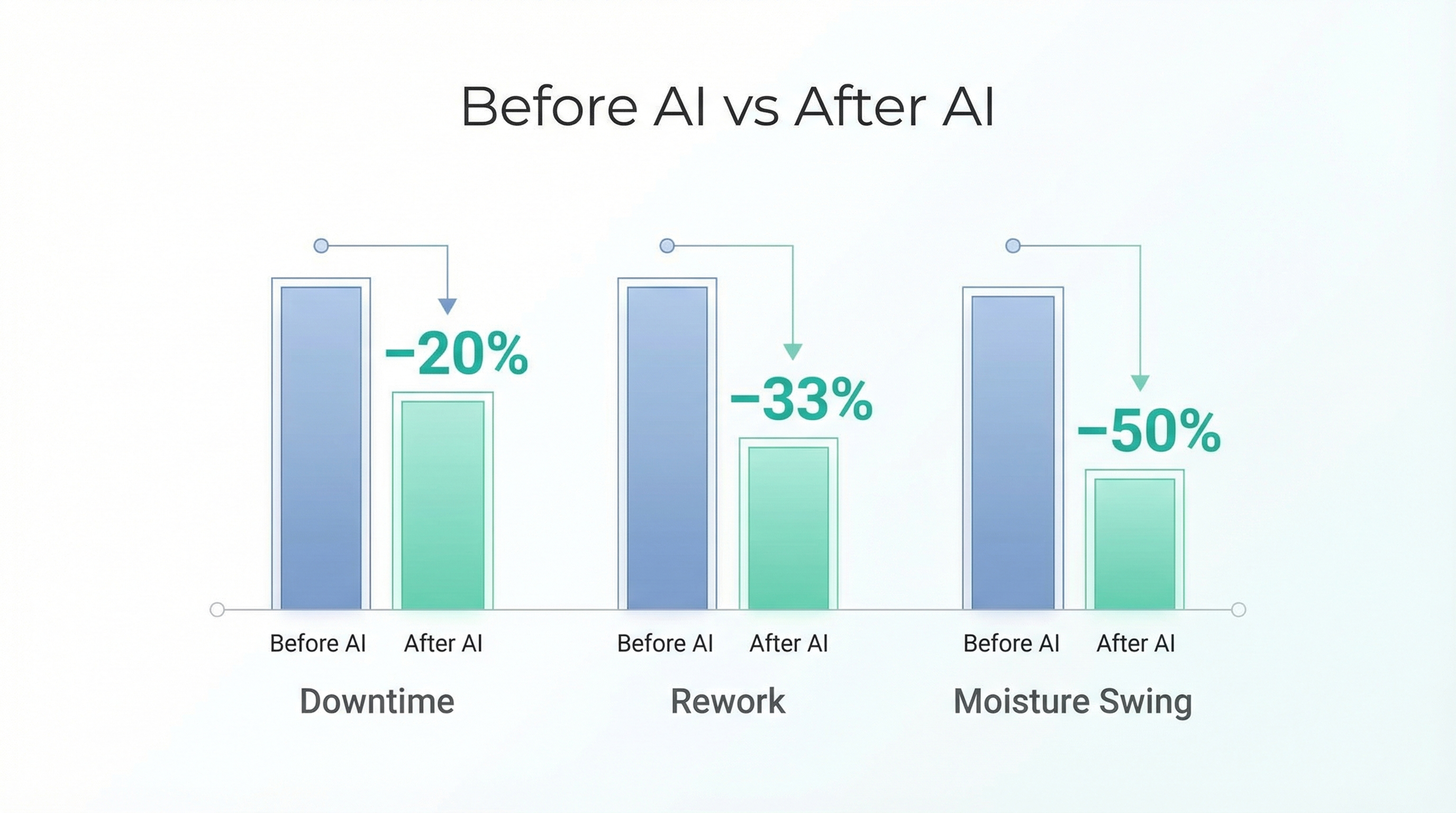
Where the Margin Is Leaking — and Where AI Stops It
Manufacturing efficiency was the top optimization priority for 41% of pet food companies surveyed by Pet food Industry — more than double the attention given to formulation or supply chain improvements. Leaders know the problem exists. The gap is in how they’re solving it.
AI-driven process intelligence targets the three biggest margin drains on the production floor:
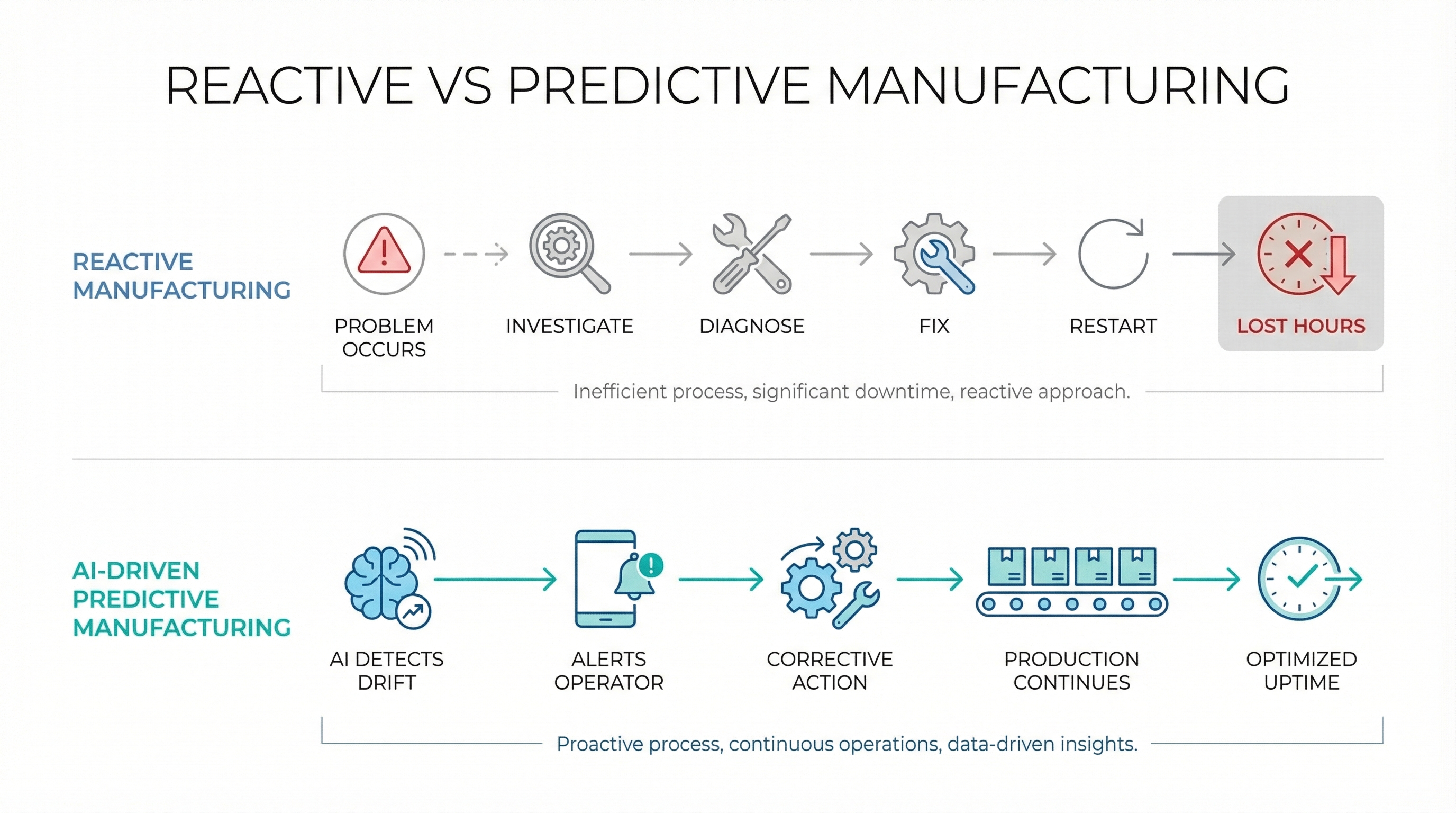
The Industry Is Ready to Move — the Question Is Whether You’ll Lead or Follow
The momentum is unmistakable. Two-thirds of pet food companies say they’re very or somewhat likely to invest in optimization initiatives within the next 12 to 18 months, according to the same survey. The industry is moving from evaluation to implementation — and the window for early-mover advantage is closing.
Yet here’s the catch that holds most manufacturers back: knowing where to start. Every facility has unique constraints and every company is at a different stage of digital readiness. The manufacturers who succeed aren’t the ones who buy every AI tool on the market —they’re the ones who identify their highest-impact opportunities first and build from there.
A practical starting point looks like this
The Margin Gap Is Growing — Every Quarter You Wait, It Widens
The competitive divide in pet food manufacturing is no longer between companies with the best equipment and companies without it. It’s between companies that use AI to turn their production data into margin, and companies that let the same data sit unused.
Cambridge Pet Tech helps manufacturers close that gap — turning the production intelligence you already generate into the efficiency gains, consistency improvements, and margin protection that your operation needs to compete.