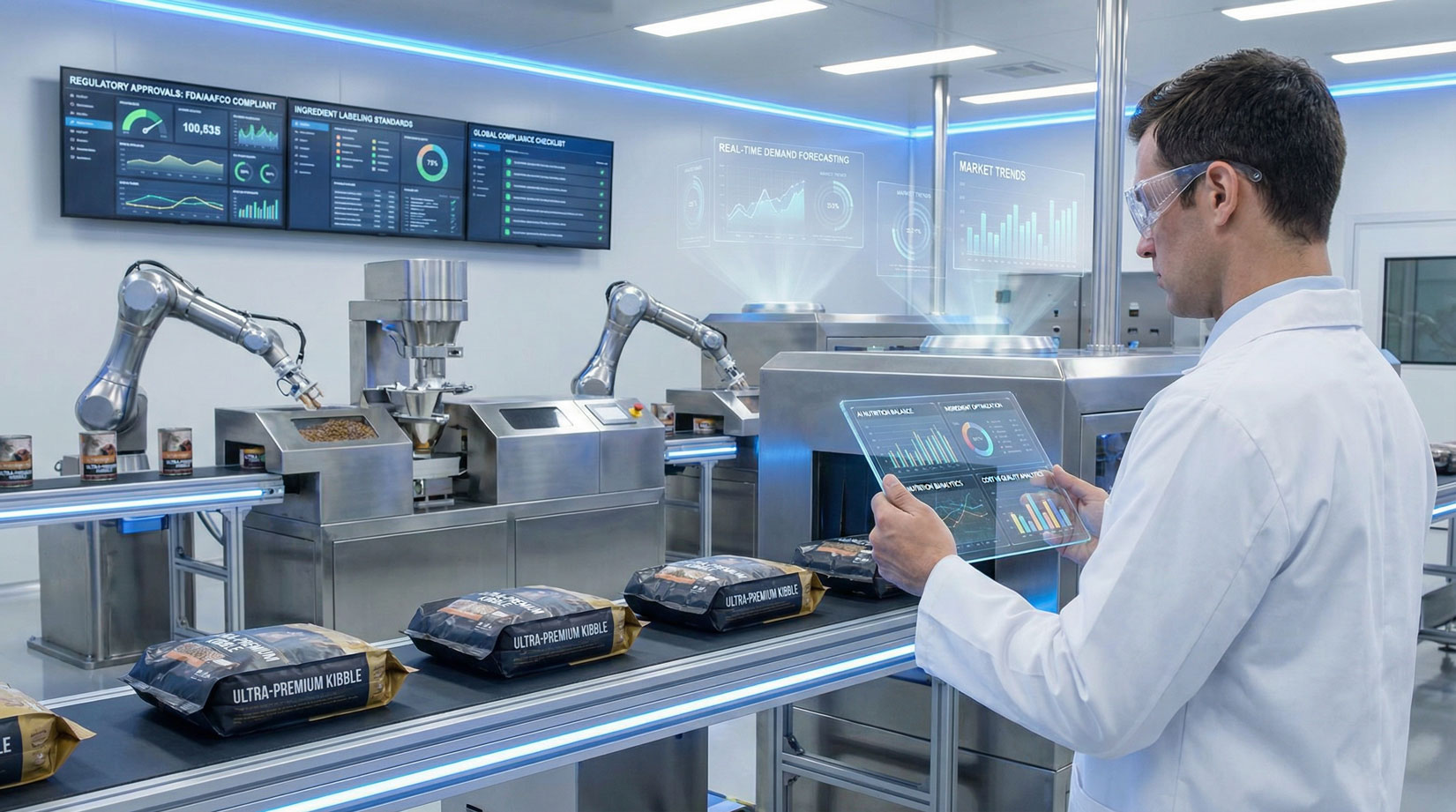


Pet retailers and manufacturers who excel at analytics-driven personalization see 10–15% revenue lift according to McKinsey estimates1. Deloitte's research2 also shows how AI-driven forecasting improves accuracy by up to 30%. The organizations that aren't using these tools yet? They're still guessing and losing ground every quarter.
Here's the reality: every demand forecast, regional sales shift, retailer reorder pattern, and ingredient cost fluctuation is a signal pet product manufacturers are already generating. For retailers, add every click, cart abandonment, and loyalty program interaction to that list. The data isn't missing — it's sitting in disconnected systems across your organization. The question is whether you're turning it into decisions fast enough to matter. It isn’t about buying an expensive analytics platform or hiring a team of data scientists.
The Shared Challenge: You Have the Data, But Not the Insights
Whether you’re manufacturing pet food for national distribution or running 200 retail locations, you’re sitting on a goldmine of data. This includes customer, regulatory, logistics, supplier and training data. The problem is the same for both: it’s scattered across systems, not connected, and by the time someone pulls a report, the opportunity has already passed.
Sounds familiar? These aren’t technology problems. They’re business problems; and analytics is how you solve them.
Three Analytics Strategies That Are Changing the Game
There are three types of analytics that matter most for manufacturers and pet retailers right now — and none of them require you to become a tech company to use.
1. Behavioral Analytics: See What Your Customers Actually Do
Forget what customers say in surveys because behavioral analytics tracks what they actually do. It tracks what they browse, when they abandon carts, which promotions drive repeat purchases, and which products they pair together. For manufacturers, it means you can see which products are gaining or losing traction at shelf level before your quarterly review tells you. For retailers, this means you can finally personalize recommendations the way e-commerce giants do, even in-store.
2. Predictive Models: Know What’s Coming Before It Arrives
Predictive analytics uses your historical data to forecast what’s likely to happen next. For manufacturers, it means aligning production schedules to actual demand signals rather than educated guesses, reducing waste and improving margins. For retailers, that means knowing which SKUs will spike next month so you can stock accordingly. No more stock-outs on trending items while slow-movers clog your warehouse.
3. Customer Intelligence: Turn Data into Loyalty
The most valuable analytics application is also the simplest to explain. They understand your customers and partners well enough to keep them coming back. By identifying which customer segments are most profitable, which are at risk of leaving, and what drives their purchasing decisions, you can focus your marketing spend where it actually delivers returns. Manufacturers can identify which retailer relationships need attention before shelf space disappears. Retailers can spot loyalty program members who are disengaging before they leave.
The pet and animal health companies winning right now aren’t the ones with the most data. They’re the ones turning data into decisions the fastest.
What This Looks Like in Practice
Here’s a snapshot of the kind of impact, analytics strategies are delivering for pet retailers and manufacturers right now:
Note: Ranges reflect typical outcomes across mid-to-large enterprises in the pet and animal health industry. Your results will depend on data maturity, scope of implementation, and business model.
How to Start: The Crawl-Walk-Run Approach
Implementing advanced analytics can feel overwhelming and disruptive. That’s why the smartest approach isn’t a massive, enterprise-wide overhaul. It’s a phased strategy that delivers quick wins while building towards bigger impact.
The Bottom Line
The data to understand your customers better already exists inside your business. The analytics strategies to unlock it are proven and accessible. The only question is whether you’ll act on it now — or watch your competitors do it first.
Cambridge PetTech has spent over 25 years helping pet and animal health enterprises turn scattered data into clear competitive advantages. We don’t sell off-the-shelf platforms. We build custom analytics solutions designed for your business model, your data environment, and your growth goals.
See What Your Data Can Actually Do
Get a custom analytics roadmap for your manufacturing or retail business — built around your data, challenges, and goals. Get clarity on where to start and what to expect.
Email us at sales@cambridgetech.com or talk to our animal health and technology experts.